

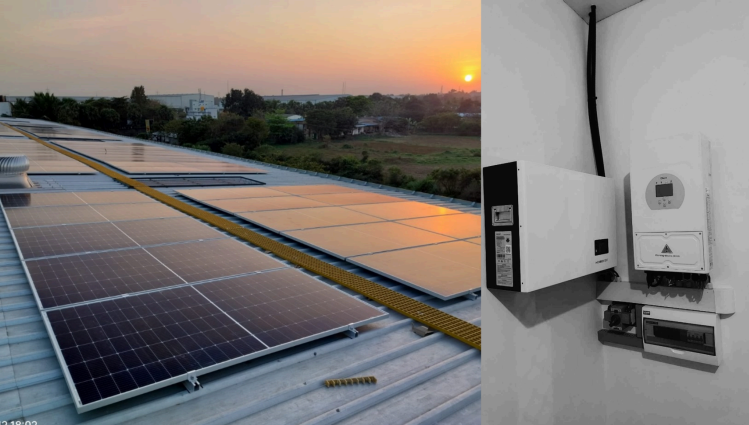
As the global demand for sustainable and reliable energy solutions grows, homeowners are increasingly turning toward innovative technologies that ensure energy security while reducing environmental impact. Among the most promising developments in this space is the advent of Residential Hybrid Power Systems. These systems integrate multiple sources of energy—typically solar power, grid electricity, and battery storage—to create a seamless and efficient energy ecosystem tailored for residential needs. In this comprehensive blog, we will explore what residential hybrid power systems are, how they work, their components, advantages, challenges, and why they represent the future of home energy.
A residential hybrid power system combines renewable energy sources with conventional power sources and energy storage to provide reliable electricity for homes. Most commonly, these systems integrate solar photovoltaic (PV) panels, battery storage systems, and grid connectivity. This combination allows homeowners to harness solar energy during the day, store excess power for use at night or during power outages, and draw from the grid when needed. The term “hybrid” reflects this blending of energy sources, providing flexibility, cost savings, and environmental benefits that standalone systems cannot match.
1. Solar Panels (Photovoltaic Modules):
These panels convert sunlight into direct current (DC) electricity. The energy produced is clean, renewable, and becomes the primary source of power in a hybrid system.
2. Inverter (Hybrid Inverter):
Converts the DC electricity from solar panels or batteries into alternating current (AC), which is suitable for household use. A hybrid inverter also manages energy flow between the panels, batteries, and the grid.
3. Battery Storage System:
Stores excess electricity generated by the solar panels. Batteries provide backup power during outages and allow for energy usage during peak hours or nighttime.
4. Grid Connection:
Acts as a supplementary energy source. When solar and battery power are insufficient, the system can draw electricity from the grid. In some systems, excess solar energy can be sent back to the grid for credit (net metering).
5. Monitoring and Control System:
These systems provide real-time data on energy production, consumption, and storage levels. Homeowners can optimize their energy use accordingly
During the day, solar panels generate electricity that powers the home. Any surplus is stored in the battery. If the battery becomes fully charged and energy demand is low, excess power can be exported to the grid (if net metering is supported). At night or during cloudy days, the system draws power from the battery. If the battery is depleted, the system automatically switches to grid power. This intelligent energy management ensures uninterrupted power supply while maximizing the use of clean energy.
1. Energy Independence
Hybrid systems significantly reduce reliance on the power grid, protecting homeowners from blackouts and rising electricity prices.
2. Cost Savings
By utilizing solar power and stored energy during peak tariff times, homeowners can lower their electricity bills considerably.
3. Environmental Impact
Reducing fossil fuel consumption lowers the carbon footprint of the household, contributing to a greener planet.
4. Reliability and Resilience
Hybrid systems provide backup during grid outages, making them ideal for areas with unreliable electricity.
5. Scalability
These systems can be customized and expanded based on energy needs, making them suitable for both small and large households.
1. Initial Investment
The upfront cost of installing a hybrid system can be significant. However, government incentives, subsidies, and long-term savings often justify the investment.
2. Battery Lifespan and Maintenance
Batteries have a limited lifespan (typically 5–15 years) and may require maintenance or replacement.
3. Technical Complexity
Integrating various components requires careful planning and expert installation.
4. Regulatory Hurdles
In some regions, regulations regarding net metering, grid connection, and solar energy usage can be restrictive or complex.
1. Smart Energy Management
Integration with AI and IoT will enable smarter control, predictive maintenance, and
optimized performance.
2. More Affordable Batteries
As lithium-ion and other battery technologies evolve, storage systems are becoming more
efficient and cost-effective.
3. Decentralized Energy Grids
Hybrid systems may eventually become part of community microgrids, enhancing local
energy resilience.
4. Green Building Integration
Hybrid power systems will increasingly become a standard feature in eco-friendly homes and
smart cities.
Conclusion
Residential hybrid power systems are not just a trend—they are a transformative step toward sustainable, reliable, and intelligent energy solutions for the modern home. As technology advances and environmental concerns grow, more homeowners will embrace hybrid systems to reduce costs, gain energy independence, and contribute to a cleaner future.
send us a message, and let’s create solutions tailored to your needs!
9677018766
9840070046
044-43436969
No. A2/1, Second Floor, 1st Cross Street, 1st Main Road Opp To AIEMA Technology Centre, Ambattur Industrial Estate, Chennai, Tamil Nadu 600058
suriyacn@sreenandhees.in / nagarajancr@sreenandhees.in
Coimbatore , Madurai , Trichy , Salem , Tirunelveli
Sree Nandhee’s Technologies is a leading provider of innovative solar and power solutions, committed to delivering sustainable, efficient, and high-quality energy systems for homes, businesses, and industries.
Copyright © 2025 – Sree Nandhee’s Technologies Pvt. Ltd – All Rights Reserved Designed By Clemence Web Solutions – Privacy policy