

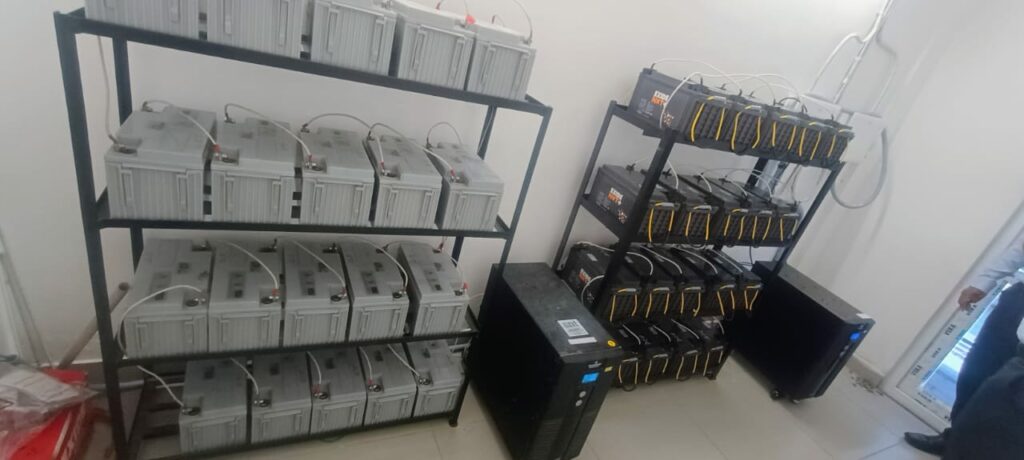
In today’s digital-driven business environment, data centers and IT systems play a critical role in keeping organizations running smoothly. From emails and servers to cloud applications and internal software, almost every business process depends on stable and continuous power. Even a short power interruption can cause system downtime, data issues, and business disruption.
This is why having the right Uninterruptible Power Supply (UPS) system is essential. A UPS provides backup power and protects IT equipment during power failures, helping businesses stay operational and avoid costly interruptions. Choosing the right UPS is not just a technical decision—it is a business decision that supports productivity, reliability, and customer confidence.
Why a UPS Is Important for IT Operations
Power problems such as outages, voltage fluctuations, and unstable supply can impact IT systems at any time. A UPS acts as a safety net by providing immediate backup power and protecting sensitive equipment.
A well-selected UPS helps to:
- Keep IT systems running during power cuts
- Prevent sudden shutdowns and data loss
- Protect expensive servers and networking equipment
- Support smooth business operations
For data centers and IT environments, a UPS is a key part of maintaining uptime and service continuity.
Understanding Your Business Needs
Before selecting a UPS, it is important to understand your business requirements. Different organizations have different expectations when it comes to backup power and system protection.
Consider factors such as:
- How critical your IT systems are to daily operations
- How often power issues affect your location
- How long you need systems to stay online during outages
- Whether you plan to expand your IT setup in the future
Choosing a UPS that matches both current and future needs helps avoid frequent upgrades and unexpected costs.
Selecting the Right Size UPS
Choosing the correct UPS size is important for reliable performance. A UPS that is too small may not support all equipment, while a system that is too large can increase costs unnecessarily.
Working with a professional power solutions provider can help you:
- Identify which systems need backup
- Select a UPS that matches your actual requirements
- Plan for future business growth
- Avoid under-sizing or over-investing
Proper sizing ensures smooth operation and better long-term value.
Backup Time and Business Continuity
Different businesses require different levels of backup time. Some organizations only need a few minutes of power to safely shut down systems, while others need longer backup to continue operations until normal power is restored.
When planning backup time, consider:
- The impact of downtime on customers and operations
- Whether you have other backup power sources
- How critical it is to keep systems running without interruption
A UPS can be designed to meet your specific business continuity goals, helping you stay prepared for unexpected power events.
Reliability and Peace of Mind
For many businesses, reliability is the top priority. A dependable UPS system provides peace of mind by reducing the risk of downtime and protecting important IT assets.
A reliable UPS solution helps:
- Minimize business interruptions
- Protect valuable IT investments
- Support consistent service delivery
- Improve overall operational confidence
This reliability is especially important for organizations that depend heavily on IT systems for customer service, transactions, and internal operations.
Energy Savings and Cost Control
Modern UPS systems are designed to be more energy efficient, helping businesses reduce power losses and control operating costs. Over time, an efficient UPS can contribute to lower electricity bills and reduced cooling requirements.
Choosing an energy-efficient UPS supports:
- Lower long-term operating expenses
- Better use of power resources
- More sustainable business operations
This makes UPS systems not only a protection solution but also a smart long-term investment.
Ongoing Support and Maintenance
A UPS system is not a one-time purchase. Regular maintenance and professional support are important to ensure the system works properly when it is needed most.
When selecting a UPS partner, look for:
- Reliable service and maintenance options
- Quick support in case of issues
- Long-term service agreements
- Technical guidance and system health checks
Strong service support ensures your UPS continues to perform reliably year after year.
Conclusion
Choosing the right UPS system for data centers and IT infrastructure is about more than just backup power. It is about protecting your business, ensuring smooth operations, and maintaining customer trust.
By focusing on your business needs, planning for growth, and working with a trusted power solutions provider, you can select a UPS system that supports long-term stability and peace of mind. The right UPS helps your IT environment stay protected, productive, and ready for any power-related challenges.